
Regular lubrication is one of the simplest ways to keep an electric bicycle running smoothly. Proper lubrication can reduce friction, prevent premature wear, minimize annoying noises, and extend the service life of important components.
But which parts of an electric bicycle actually need lubrication? And just as importantly, which parts should you never lubricate?

In this guide, we'll explain the key e-bike components that need lubrication, what type of lubricant to use, how often to apply it, and common mistakes to avoid.
Which Parts of an Electric Bicycle Need Lubrication?
The parts of an electric bicycle that commonly require lubrication include:
- Chain
- Derailleur and derailleur pivots
- Brake and gear cables
- Pedal threads
- Brake and suspension pivot points
- Folding joints and hinges, if equipped
- Seat post, in certain situations
- Other moving mechanical components
However, not every moving-looking part should be lubricated. E-bike electrical components, brake pads, brake rotors, and tires should generally be kept free of lubricant.
Let's look at each component in more detail.
1. E-Bike Chain
The chain is usually the most important component to lubricate on an electric bicycle.

The motor on an e-bike can put considerable additional load on the drivetrain, particularly when accelerating or climbing hills. A properly lubricated chain helps reduce friction between the chain rollers, pins, and sprocket teeth.
How to lubricate an e-bike chain
- Shift the bike into a gear that makes the chain easy to access.
- Clean the chain if it is dirty.
- Apply a small drop of bicycle chain lubricant to each chain link.
- Slowly rotate the pedals backward to distribute the lubricant.
- Allow the lubricant to penetrate for a few minutes.
- Wipe away excess lubricant with a clean cloth.
Don't soak the chain in lubricant. Excess oil attracts dust and dirt, which can turn into an abrasive paste and accelerate drivetrain wear.
How often should you lubricate an e-bike chain?
There isn't one interval that works for every rider. Riding conditions matter.
As a general guideline:
- Dry, clean conditions: every 100–200 miles (160–320 km)
- Wet or rainy conditions: lubricate more frequently
- After riding in heavy rain: clean and relubricate the chain
- If the chain becomes noisy or feels dry: inspect and lubricate it
The correct interval depends on your mileage, weather, terrain, and lubricant.
2. Derailleur Pivots
The derailleur contains several small joints and springs that move whenever you change gears. Dirt and corrosion can make these mechanisms stiff over time.
Apply a small amount of bicycle-specific lubricant to the pivot points, then move the derailleur through its range of motion.
Be careful not to apply excessive lubricant. You want to lubricate the moving joints without creating a sticky surface that collects dirt.
3. Gear and Brake Cables
Mechanical e-bikes that use traditional cable-operated brakes or derailleurs may require occasional cable lubrication.
Lubricating the cable can help it move smoothly inside its housing and may improve shifting or braking feel.
However, many modern bicycles use sealed or low-maintenance cable systems, and some hydraulic brake systems don't use traditional brake cables at all.
If your e-bike uses hydraulic disc brakes, do not add ordinary lubricant to the hydraulic brake system.
4. Pedal Threads
The pedal axle threads are another small area that is often overlooked during bicycle maintenance.
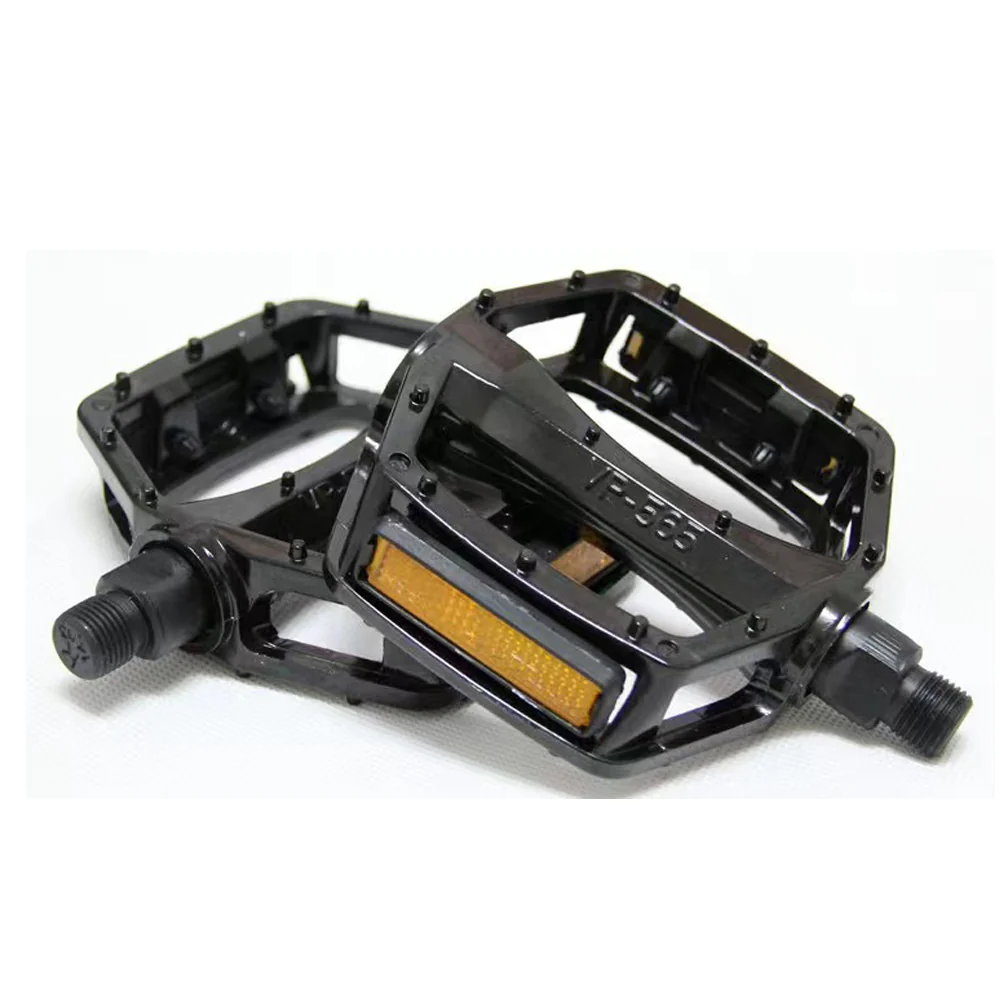
A small amount of suitable bicycle grease on the pedal threads can help:
- Prevent corrosion
- Reduce the risk of the pedals becoming seized
- Make future pedal removal easier
- Protect the crank threads
This is generally a job to perform when installing or removing pedals rather than something you need to do frequently.
Important: Grease the threads—not the pedal or crank surfaces that are designed to remain dry.
5. Suspension and Pivot Points
If your e-bike has a full-suspension frame, there may be several mechanical pivot points connecting the rear suspension system to the frame.
These pivot bearings and hardware are designed differently depending on the bicycle. Some require periodic servicing rather than simply adding external oil.
Therefore, don't spray lubricant randomly onto suspension pivots.
Check the bicycle manufacturer's maintenance instructions to determine whether a particular pivot requires grease, bearing service, or no external lubrication.
For suspension forks and rear shocks, follow the manufacturer's service recommendations rather than treating them like a chain.
6. Folding Joints and Hinges
Some electric bicycles have folding frames, folding handlebars, adjustable stems, or other mechanical hinges.
These joints may benefit from a small amount of appropriate lubricant when they begin to feel stiff or develop squeaking noises.
Before lubricating a folding mechanism, make sure you understand how the locking mechanism works.
Never lubricate a locking or clamping surface if the lubricant could reduce the friction needed to securely hold the component in place.
For safety-critical folding mechanisms, always follow the manufacturer's instructions.
7. Seat Post
Whether a seat post should be lubricated depends on the material and design.
For many traditional metal seat posts, a thin layer of bicycle grease on the section inserted into the frame can help prevent corrosion and prevent the seat post from becoming stuck.
However, carbon seat posts and carbon frames require special care.
Carbon components may require carbon assembly paste rather than conventional grease, depending on the manufacturer's recommendations.
If you're unsure, check the frame and seat post manufacturer's instructions before applying anything.
Which Parts of an E-Bike Should NOT Be Lubricated?
Knowing where not to use lubricant is just as important as knowing where to use it.
Brake Rotors
Never intentionally lubricate brake rotors.

Brake rotors need a clean, dry braking surface. Oil or grease contamination can significantly reduce braking performance.
If lubricant accidentally gets onto a brake rotor, clean it thoroughly with an appropriate brake cleaner or isopropyl alcohol and follow the brake manufacturer's recommendations.
Brake Pads
Keep lubricant away from brake pads.
Contaminated brake pads may lose braking power and can be difficult to restore to their original performance.
In some cases, contaminated pads may need to be replaced.
Tires and Wheels
Do not apply oil or grease to tire tread or other surfaces that need traction.
Lubricant on a tire can create a serious safety hazard.
Electrical Components
The motor, battery contacts, display, controller, wiring connectors, and other electrical components generally do not need ordinary bicycle oil.
Avoid spraying lubricant into electrical connectors or around the battery compartment unless the e-bike manufacturer specifically recommends a particular product.
Water and lubricant should also be kept away from areas where they could damage electrical connections.
What Type of Lubricant Should You Use on an Electric Bicycle?
Choosing the right lubricant is important because different components have different requirements.
Chain lubricant
For the drivetrain, use a bicycle-specific chain lubricant.
Common options include:
- Dry lube: best suited to dry, dusty conditions
- Wet lube: better suited to wet and rainy conditions
- All-weather lube: a practical option for mixed conditions
- Wax-based chain lubricant: can provide a clean drivetrain when used with proper preparation and maintenance
Avoid using random household oils as a long-term substitute for bicycle chain lubricant.
Bicycle grease
Grease is generally more appropriate than thin oil for certain threaded or assembled components, such as pedal threads and some metal seat-post interfaces.
However, always follow the manufacturer's recommendations for specialized components.
Oil vs. Grease: What's the Difference?
A simple way to remember the difference is:

Using the wrong lubricant can cause problems. For example, heavy grease is generally not the best choice for a bicycle chain because it can attract dirt and interfere with drivetrain operation.
Do Electric Bike Motors Need Lubrication?
This is a common question.
Usually, you should not open an e-bike motor and add lubricant yourself.
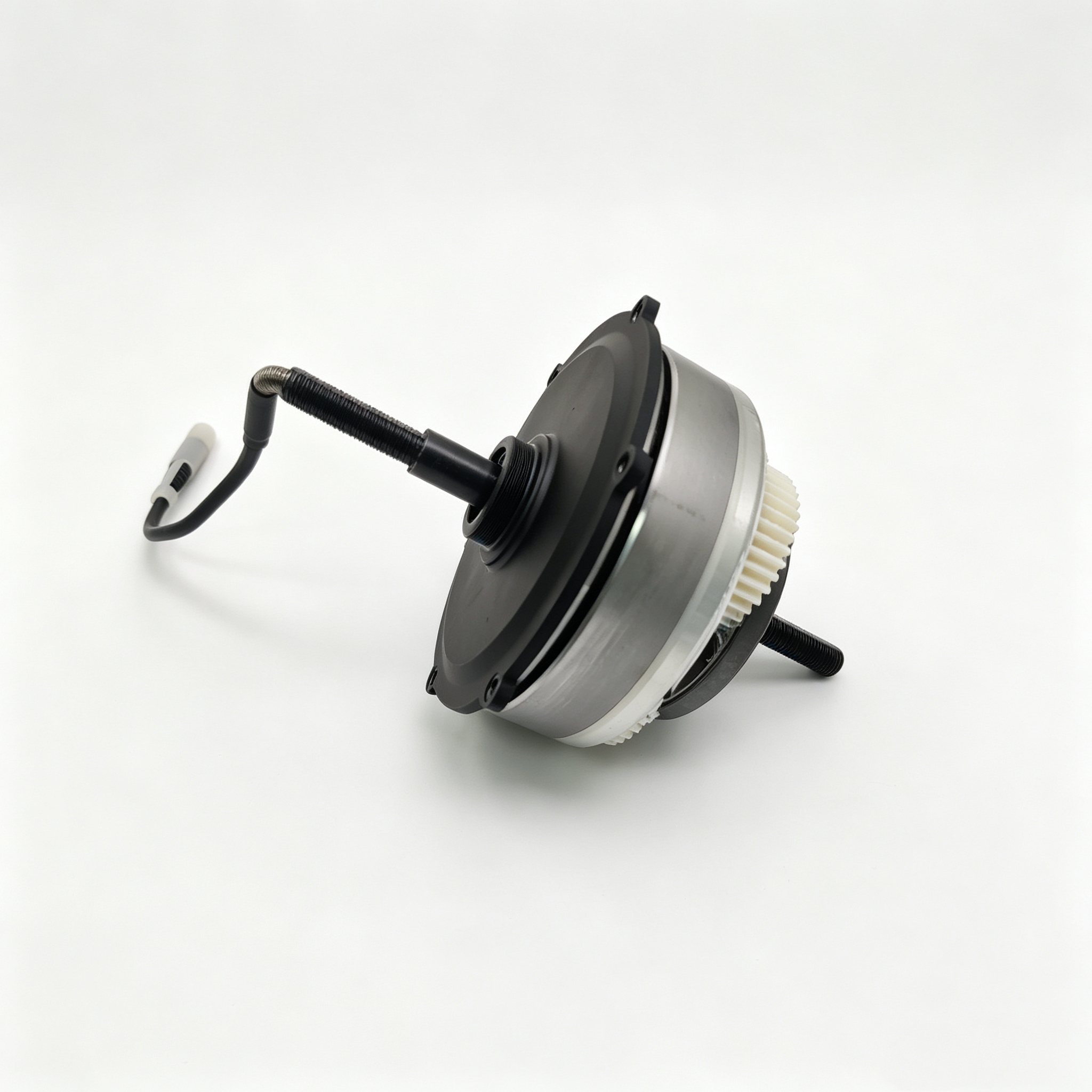
Hub motors and mid-drive motors are engineered systems containing bearings, gears, seals, and electrical components. Some motor designs may have specific service requirements, but these vary considerably between manufacturers and models.
If your motor develops:
- Grinding noises
- Clicking
- Unusual resistance
- Excessive vibration
- New mechanical noises
don't simply spray lubricant into the motor.
Instead, consult the manufacturer's service instructions or have the motor inspected by a qualified technician.
How to Lubricate an Electric Bicycle: A Simple Maintenance Routine
You don't need to lubricate every component every time you maintain your e-bike.
A simple routine is:
Step 1: Clean the bike
Remove dirt and mud, particularly around the drivetrain.
Step 2: Inspect the chain
Check whether the chain looks dry, dirty, rusty, or excessively worn.
Step 3: Lubricate the chain
Apply a small amount of bicycle-specific chain lubricant to the chain while slowly rotating the pedals.
Step 4: Wipe off excess lubricant
This step is important. A clean, lightly lubricated chain is usually better than a chain covered in oil.
Step 5: Check moving mechanical components
Inspect the derailleur pivots, cables, hinges, and other moving parts.
Step 6: Inspect the brakes
Make sure the brake rotors and pads remain clean and free of lubricant.
Step 7: Test the bicycle
After maintenance, shift through the gears and test the brakes in a safe area before normal riding.
Common E-Bike Lubrication Mistakes
Even experienced riders can make lubrication mistakes.
1. Using too much lubricant
More lubricant does not necessarily mean better lubrication.
Excess oil attracts dirt and can contaminate brake components.
2. Lubricating a dirty chain
Putting fresh lubricant on a heavily dirty chain can trap contaminants against the drivetrain.
Clean the chain when necessary before applying new lubricant.
3. Using household oils
Motor oil, cooking oil, penetrating sprays, and other general-purpose products may not be appropriate for bicycle components.
Use products designed for bicycles whenever possible.
4. Spraying lubricant everywhere
Aerosol sprays are convenient, but overspray can easily reach brake rotors, brake pads, tires, or electrical components.
For precise lubrication, applying lubricant directly to a cloth or using a controlled dropper can help prevent accidental contamination.
5. Ignoring manufacturer instructions
E-bikes vary significantly in their mechanical and electrical designs.
When a manufacturer's maintenance instructions differ from general advice, follow the manufacturer's instructions.
E-Bike Lubrication Checklist
Here's a quick checklist you can save for future maintenance:
Lubricate or service as needed:
- ✓ Chain
- ✓ Derailleur pivots
- ✓ Mechanical brake/gear cables, when appropriate
- ✓ Pedal threads
- ✓ Certain frame pivots and hinges
- ✓ Seat post interface, when appropriate
- ✓ Other manufacturer-specified moving parts
Keep lubricant away from:
- ✗ Brake rotors
- ✗ Brake pads
- ✗ Tires
- ✗ Electrical connectors
- ✗ Battery contacts
- ✗ Motor interior unless specifically instructed by the manufacturer
Final Thoughts
Regular lubrication is a small part of electric bicycle maintenance, but it can make a noticeable difference in how smoothly your e-bike operates.
For most riders, the chain is the most important component to lubricate regularly. Other components—such as derailleur pivots, mechanical cables, pedal threads, hinges, and frame interfaces—may need occasional lubrication or grease depending on the bicycle's design.
The key is to use the right lubricant in the right place. Just as importantly, keep lubricant away from braking surfaces, tires, and electrical components.
With a simple maintenance routine and the correct products, you can reduce unnecessary friction, protect mechanical components, and keep your electric bicycle performing smoothly for longer.

